
Best Wrist Water Bottle for Hiking 2026: Hands-free Hydration Guide
Hiking, trail running, and casual outdoor walking are fantastic ways to stay active, but traditional water bottles always create annoying troubles. Holding a bottle in one hand limits your movement, makes it hard to use trekking poles, take photos, or climb rugged terrain. Carrying a bulky backpack water bag adds extra weight, and stopping repeatedly to fetch water breaks your outdoor rhythm. If you’re tired of sacrificing flexibility for hydration, a wrist water bottle is the most practical hands-free solution for light outdoor activities. In this complete guide, we will cover why traditional hydration tools fail for hiking, key factors to consider when choosing a wearable water bottle, the differences between wrist water bottles and regular bottles, and useful tips for daily use and maintenance. By the end of this article, you will know exactly whether a wrist water bottle suits your outdoor lifestyle and how to pick the right one.
Why Traditional Water Bottles Are Not Ideal for Hiking
Most outdoor enthusiasts habitually use standard plastic water bottles, stainless steel tumblers, or backpack hydration bladders for hiking. However, these common tools have obvious drawbacks for short and medium-distance hiking trips.
First, handheld bottles occupy one of your hands. Hiking requires constant balance adjustment, especially on uneven mountain roads. A occupied hand increases the risk of slipping or losing balance, and it’s impossible to operate other outdoor gear flexibly.
Second, backpack hydration systems are overkill for casual hiking. They are heavy, bulky, and require time to assemble and clean. For 1-3 hour weekend hiking trips, you only need a small amount of water to replenish moisture, and large-capacity hydration equipment becomes unnecessary burden.
Third, waist-mounted water bottles bounce violently during walking or climbing. The shaking causes physical discomfort and even affects your hiking speed and physical endurance.
All these pain points reveal a core demand: outdoor hiking needs a lightweight, hands-free, instant hydration tool, which is exactly where wrist wearable water bottles excel.
Wrist Water Bottle vs Regular Water Bottle: Full Comparison
To help you make a clear buying decision, we have sorted out a detailed comparison between wrist wearable water bottles and traditional regular water bottles for hiking scenarios.
Portability & Freedom of Movement
Regular bottles rely on handheld carrying or external storage. They cannot be used without occupying hands or extra storage space. Wrist water bottles adopt wearable design with adjustable hook-and-loop straps, which can be firmly fixed on the wrist. It brings zero obstruction to arm swinging, climbing, and tool operation, realizing true hands-free hydration.
Weight & Burden
Most regular outdoor bottles are 500ml-1L, with heavy self-weight and water load, easy to cause arm soreness and physical fatigue after long-time carrying. Standard wrist water bottles adopt 200ml scientific small-capacity design, which precisely matches the water demand of short-medium hiking. The lightweight design will not bring extra burden to the wrist.
Leak-Proof & Safety Performance
Ordinary plastic and stainless steel bottles are prone to loose lids and water leakage during bumpy hiking. High-hard bottle bodies may cause collision injury. Qualified wrist water bottles are made of soft food-grade silicone, with tight screw lids for full leak-proof effect. The flexible body avoids collision damage during outdoor sports.
Storage & Maintenance
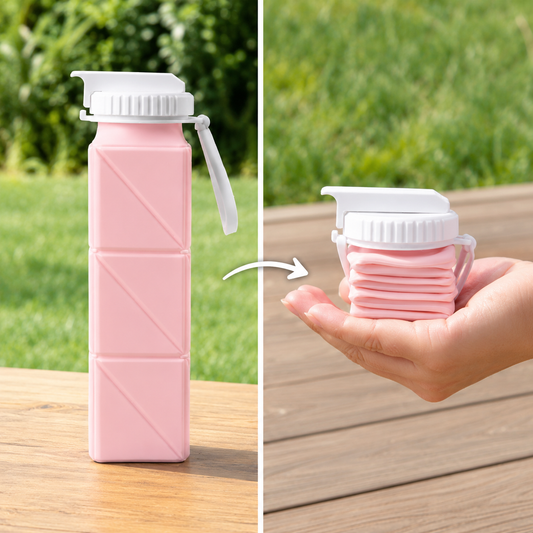
Empty regular bottles still occupy fixed space and are inconvenient to store. Soft silicone wrist water bottles can be flattened when empty, easily stored in pockets, backpacks or outdoor pouches, and easy to clean without dead corners.
Key Factors to Choose a Qualified Wrist Water Bottle
Not all wrist water bottles on the market are suitable for hiking. To avoid poor durability, water leakage, and skin irritation, you need to focus on 4 core factors when purchasing.
1. Food-grade safe material
Outdoor water bottles are in direct contact with drinking water and skin. Low-quality silicone contains peculiar smell and harmful substances, which may affect health. It is essential to choose 100% food-grade odor-free silicone material, which is heat-resistant, non-toxic, and skin-friendly.
2. Full leak-proof sealed design
Hiking roads are bumpy, so leak-proof performance is the top priority. The bottle must be equipped with a tight screw cap instead of a simple flip cover, which can effectively prevent water spilling during strenuous exercise and jolting.
3. Reasonable capacity & lightweight design
For hiking, 180-220ml capacity is the most scientific choice. Too small capacity requires frequent refilling, while too large capacity increases wrist burden. A lightweight body ensures long-time wearing without fatigue.
4. Adjustable & firm wrist strap
The strap should fit different wrist sizes and fix the bottle stably without shaking or falling off during climbing and running.
If you want a cost-effective wrist water bottle that meets all hiking needs, our Openscape wrist water bottle fits these requirements perfectly. It adopts food-grade soft silicone, upgraded leak-proof screw cap, 200ml golden capacity and non-slip adjustable strap, specially designed for outdoor and fitness enthusiasts.
How to Clean & Maintain a Silicone Wrist Water Bottle 
Many users worry that foldable silicone water bottles are hard to clean and easy to breed bacteria. In fact, correct maintenance can extend the service life and keep the bottle fresh all the time. Here is a simple daily cleaning guide.
First, clean after each use. Rinse the bottle interior and cap with warm water after outdoor activities to avoid residual water scale and odor. For slight stains, you can clean with a small amount of neutral detergent.
Second, deep clean regularly. Soak the bottle in warm water for 10-15 minutes weekly, then wipe and rinse thoroughly to remove hidden dirt. The wide-mouth design makes dead-angle cleaning no longer a problem.
Third, store properly. Flatten and store the bottle in a dry and ventilated place after drying, avoid long-term extrusion and damp environment, which can prevent deformation and mildew.
Conclusion
Traditional water bottles are bulky, restrictive and inconvenient for hiking and light outdoor activities. A high-quality wrist water bottle solves the core pain of inconvenient outdoor hydration, bringing lightweight, hands-free and leak-proof hydration experience. Compared with regular bottles, it is more flexible, portable and suitable for short-medium distance hiking, trail running, fitness and daily commuting. By focusing on safe material, leak-proof performance, scientific capacity and stable strap, you can pick a durable and practical wearable water bottle. A good outdoor gear does not add burden to your journey, but makes every outdoor activity more comfortable and free.
Call to Action
Looking for a reliable hands-free wrist water bottle for your 2026 outdoor hiking? Check our best-selling wrist water bottle collection to find your perfect hydration companion.
https://openscape.store/products/hands-free-hydration-wrist-water-bottle-200ml
You can also read our related blogs to explore more practical outdoor gear guides.
Tags: